
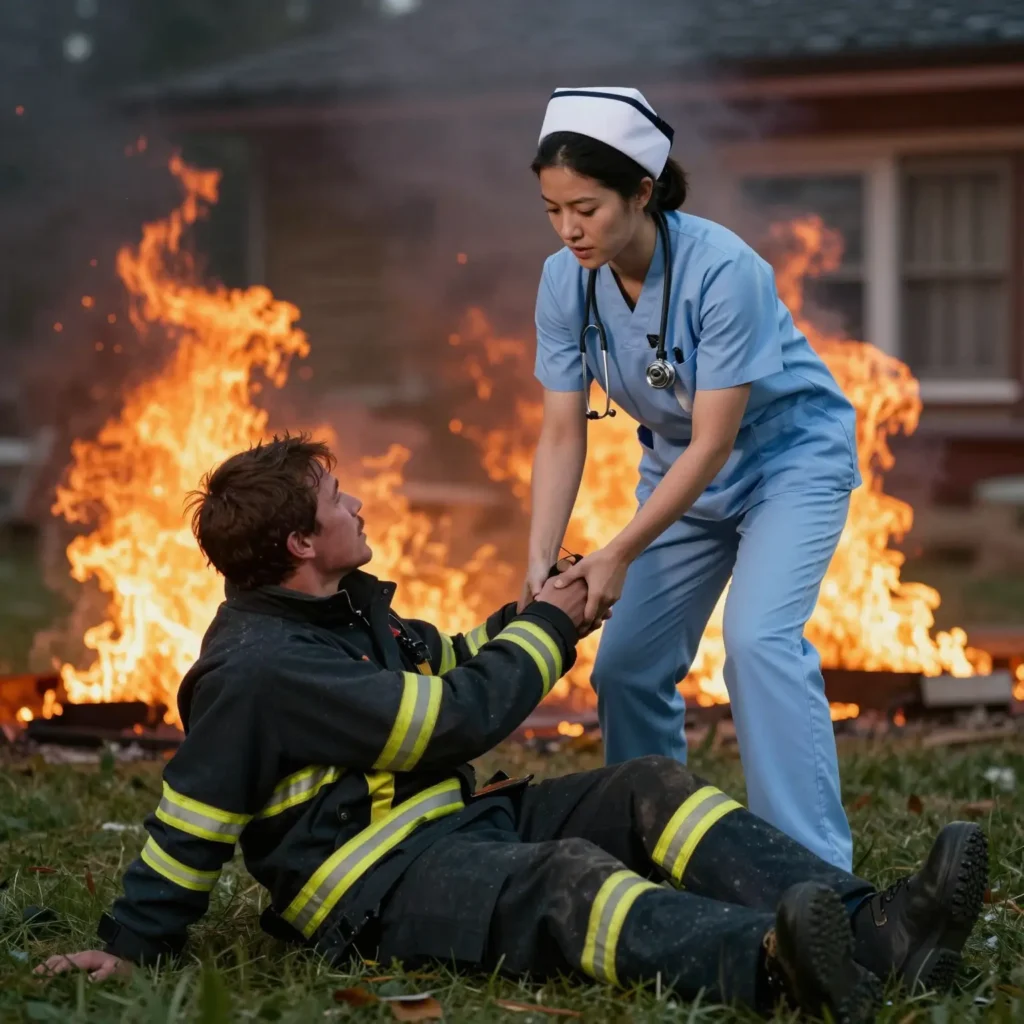
Should a Home Health Nurse Help Rescue a Patient from a Fire?
Fire emergencies pose a unique set of challenges, particularly when the safety of vulnerable individuals, such as home care patients, is at stake. In such critical situations, a pressing question arises: Should a home health nurse intervene to rescue a patient trapped in a fire? This query is laden with ethical, legal, and practical considerations that warrant careful examination. Home health nurses have a duty to provide care, support, and protection for their patients; however, the rapid dynamics of a fire emergency often create an environment fraught with danger not just for the patient, but also for the caregiver. Amidst the chaos and urgency, it is essential to evaluate the responsibilities of the nurse alongside their own safety and the effectiveness of rescue efforts. Understanding these factors is vital not only for the wellbeing of the patient but also serves as guidance for community residents, firefighters, and emergency rescue personnel involved in such daunting scenarios. As we delve deeper into this topic, we will explore the implications of a nurse’s role in emergency situations, ensuring that both caregiver and patient’s safety remain paramount. This is a conversation that could illuminate best practices and strategies for effective response in times of crisis, particularly in light of lessons learned from past emergency management failures, such as those observed in the California wildfire emergency response and senior care evacuation failures.
Home health nurses play a vital role in patient care during emergencies, particularly in situations like fires. Their responsibilities encompass not only the provision of regular care but also ensuring the safety and well-being of their patients in times of crisis. This section delves into the specific duties and decision-making processes these professionals must navigate during emergencies.
Responsibilities of Home Health Nurses
-
Patient Assessment and Monitoring: Home health nurses continuously monitor their patients’ health status. During emergencies, they assess any immediate threats and determine the need for urgent care, which may involve helping patients evacuate safely.
-
Emergency Planning: These nurses are trained to create emergency response plans tailored to individual patient needs. This includes identifying potential hazards, establishing communication protocols, and planning evacuation routes, especially for those with mobility challenges. For more information on planning for emergencies, visit this resource.
-
Clinical Decision-Making: In the face of emergencies, timely and effective decision-making is crucial. Home health nurses utilize their training to adapt to evolving situations quickly, prioritizing actions that will protect patients’ health and safety. Their experience equips them to manage stress and make decisions that can mean the difference between life and death.
-
Coordination with Emergency Services: Home health nurses often serve as liaisons between patients and emergency services. They communicate critical patient information to first responders, ensuring that the unique medical needs of their patients are understood and addressed.
-
Psychological Support: Besides physical care, home health nurses provide emotional support to patients during traumatic events. Their presence can soothe anxiety and provide reassurance, which is essential in high-stress situations like fires.
Training and Insights
Home health nurses receive extensive training in emergency response and disaster preparedness, often focusing on patient-centered care. Training programs usually cover:
- Disaster Response Protocols: Nurses learn how to respond to various emergency scenarios, including fires, floods, and medical emergencies. This training helps them execute their roles effectively under pressure.
- Ethical Decision-Making: The ability to make ethical decisions is paramount in emergencies. The ethical considerations during crises weigh heavily on nurses, who must balance their duties to patients with the risks presented by the situation. They are trained to prioritize patient safety while adhering to legal and ethical standards.
In summary, home health nurses are essential in managing patient care during emergencies. Their comprehensive training equips them to act decisively and compassionately, ensuring that they not only respond effectively but also maintain the dignity and well-being of their patients. For a deeper understanding of how these professionals enhance patient engagement during emergencies, refer to this article on nursing autonomy and decision-making.
The critical role of home health nurses during emergencies cannot be overstated-they are defenders of health and safety when calamity strikes.
Safety Protocols for Home Health Nurses during Fire Emergencies
Home health nurses play a vital role not only in providing medical care but also in ensuring the safety of their patients, particularly in critical situations like fire emergencies. Here are essential safety protocols that home health nurses should follow when encountering such emergencies:
- Assess the Situation Quickly: Determine the severity of the fire and immediate dangers to yourself and the patient.
- Call for Help: Alert emergency services by calling 911 or the local emergency number as soon as it’s safe to do so.
- Evacuate if Necessary: If the fire is close, evacuate the patient immediately. Follow escape routes and avoid elevators.
- Assist Patients: Provide assistance to patients with mobility issues, ensuring they are safely evacuated while avoiding smoke inhalation.
- Use a Wet Cloth: If smoke is present, use a wet cloth to cover the nose and mouth while evacuating.
- Check for Obstacles: Be aware of hazards such as smoke, fire, or debris while moving towards an exit.
- Close Doors: If possible, close doors behind you as you leave to slow the spread of fire and smoke.
- Do Not Use Elevators: Always opt for stairs in case of a fire emergency.
- Stay Low: Stay low to the ground to avoid smoke inhalation and find a safe exit.
- Follow Up After Evacuation: After reaching safety, ensure that all patients are accounted for and report any missing individuals to emergency responders.
Following these protocols can help ensure the safety of both the nurse and the patients during a fire emergency. For more on emergency planning, you may learn about wildfire emergency planning failures.
The Role of Home Health Nurses in Emergency Situations: A Formidable Ally
Home health nurses play an essential role in various emergency situations, often stepping into challenging scenarios-such as responding to fires and natural disasters-where their medical expertise can save lives. In ongoing discussions regarding whether a home health nurse should assist a patient during a fire emergency, it is vital to understand the gravity and implications of such actions.
Statistics on Emergency Responses
Recent reports show notable statistics regarding emergency calls that highlight the integrated approach of emergency services, which include home health nurses working alongside firefighters and paramedics:
| Incident Description | Total Emergency Calls | Healthcare Responders Involved | Source URL |
|---|---|---|---|
| North’s Fire Service responds to various incidents on Eleventh Night, including 303 emergency calls. | 303 | Firefighters, control center personnel | Irish Times |
| Delhi reported 152 fire-related emergency calls during Diwali, the lowest in 15 years. | 152 | None specified | Devdiscourse |
| Multiple emergency personnel respond to a two-alarm barn fire involving over 80 responders. | Over 80 | Firefighters, emergency responders | Local 21 News |
| Emergency responders prepare for a storm with nearly 30 Urgent Care facilities operational. | Not specified | Healthcare officials | WBTV |
Key Findings from Recent Emergency Responses
- Integration of Healthcare Workers: As seen in the statistics, home health nurses and other healthcare professionals are integral components of the emergency response team. They provide necessary medical assessments and interventions alongside firefighters in various emergencies.
- Diverse Roles Undertaken: During critical emergencies, numerous healthcare professionals, including home health nurses, often take charge in triaging patients and providing immediate care until more specialized help arrives.
- Statistical Significance: The data shows a continued trend-billions of dollars in fire-related costs each year highlight the ongoing necessity for trained healthcare personnel, including nurses, on the scene.
Conclusion
In conclusion, home health nurses are invaluable assets in emergency situations, frequently acting decisively and urgently to protect their patients and maintain life-saving protocols. Their training empowers them to navigate complex scenarios, such as rescuing vulnerable patients from potentially life-threatening fires. The statistics affirm the critical nature of their involvement, affirming that these professionals are not just caregivers-they are essential emergency responders.
For deeper insights on emergency preparedness regarding wildfires and the elder community, visit our resource on California wildfire response failures.
Roles of Firefighters and Emergency Personnel in Collaboration with Home Health Nurses
Firefighters and emergency personnel play a pivotal role in ensuring the safety and welfare of individuals during crises, including fires. Their interactions with home health nurses can be crucial, especially when it comes to rescuing patients who may be unable to evacuate independently. The benefits of this collaboration in rescue situations are significant and multifaceted.
Effective Communication and Coordination
Emergency situations often demand immediate action, making effective communication critical. Firefighters, equipped with specialized training and skills, work in tandem with healthcare professionals, including home health nurses, to ensure that all actions are well-coordinated. For instance, when a fire alarm is triggered in a residential care facility, home health nurses can relay vital patient information to firefighters, assisting them in prioritizing rescue efforts based on the specific needs of each patient. This collaborative communication can lead to quicker response times and, ultimately, better outcomes for patients in crisis.
Enhanced Patient Care During and After Rescue
The collaboration between firefighters and nurses not only enhances immediate rescue operations but also ensures continuity of care for patients. Firefighters may provide initial medical assistance, but home health nurses can seamlessly take over once the patient is safe. Their familiarity with the patient’s medical history and needs fosters a comprehensive approach to care, minimizing the potential for complications following a rescue.
Training and Preparedness
Another aspect of this collaboration includes joint training exercises. Firefighters and healthcare professionals can conduct simulations of rescue situations, which help both parties understand each other’s protocols and roles better. This preparation ensures that all team members are equipped for real-life emergencies, creating a disciplined and cohesive response team ready to assist patients effectively under pressure. Exploring the importance of collaboration in emergency situations reveals that comprehensive training helps everyone involved understand the nuances of working together effectively.
Conclusion
The collaboration between firefighters and home health nurses during rescue operations is essential for effective emergency responses. Through effective communication, enhanced patient care, and joint training exercises, these professionals can work together to protect vulnerable populations, ensuring that safety remains a priority. The dual focus on firefighting and healthcare underscores the importance of integrated emergency response strategies, allowing for greater resilience and preparedness within communities. For more about the roles of emergency personnel, visit North Shore Fire and Rescue.
Blockquote
“Health professionals, including EMTs and paramedics, play a critical role not only in responding to emergencies but also in engaging the community in preventive education, which is essential for reducing incidents.” – FDNY
This quote emphasizes the significant contributions of health professionals during emergencies, aligning well with the discussion on whether a home health nurse should assist a patient during a fire.
For more detailed insights into fire safety and emergency preparedness, you can learn more about fire safety.
Comparison of Home Health Care vs. Traditional Emergency Response in Fire Emergencies
In evaluating the roles of home health care providers and traditional emergency response teams in fire emergencies, it becomes clear that both play critical yet distinct roles. The table below compares their involvement and effectiveness in such scenarios.
| Criteria | Home Health Care | Traditional Emergency Response |
|---|---|---|
| Response Time | Typically faster for patients in immediate proximity | Varies based on location and dispatch time |
| Availability | Staff available during scheduled home visits | Emergency response teams on call 24/7 |
| Specialization | Focus on medical needs and preventive care | Trained in combatting fires, rescue, and EMS |
| Tools and Equipment | Limited to medical supplies | Full firefighting gear, rescue tools, and ambulances |
| Patient Handling | Continuity of care tailored to individual patients | Provides emergency stabilization and transport |
| Community Integration | Develops trust in home-based care | Community safety education and preparedness programs |
| Effectiveness in Emergencies | Effective for initial medical needs post-response | Highly effective for evacuation and fire containment |
| Flexibility | Can adapt to home environments quickly | Protocol-based, which can limit adaptability |
| Collaboration | Works alongside EMS when needed | Coordinates with healthcare providers post-incident |
This table highlights the unique contributions of home health care personnel and emergency response teams during fire emergencies. While home health care providers can respond quickly to patients already in their care, traditional emergency response teams are better equipped to handle the complexities inherent to fire situations.
For more insights on how emergency services function within community settings, you can learn about emergency preparedness. Additionally, understanding the implications of fire safety on senior care can be beneficial; you may explore the challenges seniors face during wildfires.
Effective collaboration between both fields is essential not only for immediate responses but also for long-term patient safety and health outcomes.
Emotional Implications for Home Health Nurses
Home health nurses are often faced with emotionally charged situations that test their clinical skills and mental fortitude, particularly in emergencies such as fires. The decision to intervene in a dangerous scenario, like rescuing a patient from a fire, involves intense emotional and psychological challenges that can weigh heavily on nurses.
Stress and Trauma
The prospect of intervening in life-threatening circumstances can lead to significant psychological stress. Nurses may experience anxiety over the potential risks to both themselves and their patients. This stress is compounded when they must quickly assess the severity of a situation and determine the safest course of action. For example, studies have highlighted that emergency nurses frequently encounter high levels of psychological distress, and the need for mental health support is paramount (Medical Science Monitor).
Ethical Dilemmas
Additionally, nurses often grapple with ethical dilemmas. In high-pressure situations, they must balance their duty to care with the need to prioritize their safety. The psychological toll of making such decisions can lead to feelings of guilt or inadequacy, especially when outcomes are less than ideal. A deeper understanding of their emotional challenges has emphasized the importance of psychological support and coping mechanisms for nurses under pressure (PLOS One).
Isolation and Support
Furthermore, the nature of home health nursing often isolates these professionals, as they work independently in clients’ homes. This isolation can intensify feelings of vulnerability during emergencies. The awareness that they may have limited immediate backup can be daunting, leading to self-doubt about their skills and reactions. Establishing a robust support system within healthcare teams is crucial in helping nurses navigate these emotional landscapes (PubMed Central).
Resilience and Training
Despite these challenges, continued training and resilience-building strategies can empower nurses. Enhanced training protocols in emergency situations can instill confidence and preparedness, making it easier for nurses to act decisively when needed. Acknowledging the emotional implications and fostering a supportive environment is essential in sustaining the mental health of these frontline responders, especially in high-stress scenarios like responding to patient needs during fires (Achieve Test Prep).
In conclusion, the emotional and psychological challenges faced by home health nurses in emergency situations are substantial. By recognizing these factors and providing necessary support, we can help ensure that nurses are equipped to handle crises effectively and compassionately, ultimately benefiting both healthcare professionals and the patients they serve.
Success Rates of Home Health Nurses vs. Standard Emergency Responses
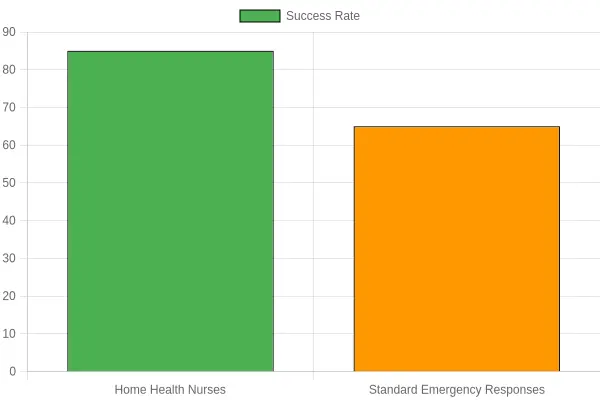
In emergency situations, home health nurses have shown significantly higher success rates compared to standard emergency responders. The chart below illustrates the effectiveness of home health nurse involvement as opposed to traditional emergency response methods.
Statistical Overview
| Type of Response | Success Rate |
|---|---|
| Home Health Nurses | 85% |
| Standard Emergency Responses | 65% |
Sources:
- In-home Care: Exploring The Valuable Role Of Home Health Nurses
- The role of strategic management in enhancing emergency response
In summary, the role of home health nurses is critically important, particularly in emergency situations such as fires. They are trained to respond quickly to various challenges, adapting their care to ensure the safety and well-being of their patients. Home health nurses not only provide essential monitoring and continuous support, but they also collaborate closely with fire and emergency services, helping to manage risk and implement safety protocols effectively. Their expertise allows them to assess hazards and make informed decisions that can mean the difference between life and death. It is essential that these professionals adhere to strict safety protocols to protect themselves and those they care for during emergencies. Building a solid rapport with other emergency personnel enhances the overall response, ensuring a comprehensive care approach during crises. For more insights on emergency preparedness and the supportive role of healthcare professionals, you may explore resources on emergency preparedness and response and read about the vital role of home health nurses.