
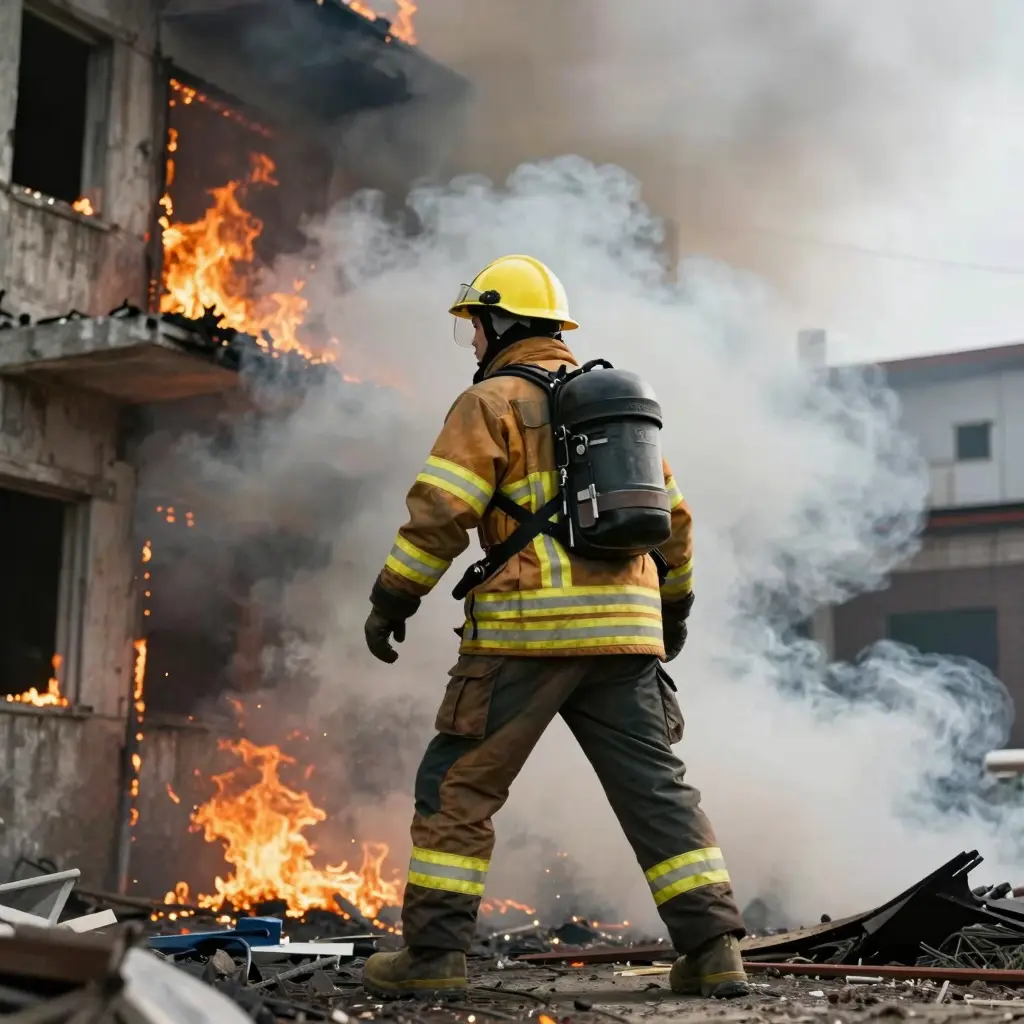
Introduction to Fire Rescues
Every year, fire incidents claim thousands of lives and cause numerous injuries across the globe. According to recent statistics from the National Fire Protection Association, there were over 1.3 million fire incidents reported in the United States alone in 2022, resulting in 3,150 fatalities and 17,360 injuries. These numbers starkly illuminate the dangers of fires and the critical role of quick, decisive action in rescue situations.
Imagine a typical day disrupted by the screeching sound of a smoke alarm piercing through the air, signaling danger. This instinctual reaction to save oneself and others is deeply embedded in human behavior. However, rushing into a blazing structure without fully understanding the risks can make the situation perilous, not only for the rescuer but also for those needing help. Making informed decisions in these moments can mean the difference between life and death.
As we explore the complex scenario of fire rescues, it is essential to emphasize the importance of preparation, knowledge, and strategy. The instinct to protect and save lives is admirable, yet it must be accompanied by a clear understanding of personal safety and emergency response techniques. Learn more about fire safety planning and how it can help prevent tragic outcomes during emergencies. In this context, we will delve deeper into when and how individuals should intervene in fire emergencies, ensuring that both rescuers and victims can navigate these incidents safely and effectively.
The Psychology of Rescue Attempts
The decision to rescue a person from a fire is deeply rooted in psychological impulses influenced by adrenaline, fear, and the training of the rescuer. Understanding these factors can enhance the effectiveness of rescuers while also highlighting the risks involved for both the rescuer and the victim.
Adrenaline and Decision-Making
When faced with an emergency, such as a fire, the body experiences a surge of adrenaline, commonly known as the “fight or flight” response. This physiological reaction prepares an individual for physical exertion, heightening awareness, and improving reaction times. Research has demonstrated that adrenaline not only enhances physical capabilities but also impacts decision-making processes, making individuals more prone to take immediate, often instinctive actions in trying conditions. This can be both a blessing and a curse. While heightened senses may improve rescue efforts, they can also lead to rash decisions that overlook potential hazards, especially if the rescuer fails to properly assess the situation.
Fear as a Double-Edged Sword
Fear plays a crucial role in the psychology of rescue attempts. For the potential rescuer, fear can motivate instant action; however, it can also paralyze them, resulting in hesitation or avoidance. Studies, such as those referenced in the SAGE Journals, indicate that emotional responses-including fear-can influence how disaster responders act during emergencies. Rescuers trained to manage their fear effectively might not only face dangerous situations more strategically but also help mitigate risks to victims trapped in a fire.
The Importance of Training
Training is integral in preparing individuals to respond appropriately during a fire emergency. Proper training equips potential rescuers with the skills to assess conditions, prioritize safety, and apply effective rescue techniques without succumbing to panic. According to the SOS Run, developing a structured emergency response plan, including clear roles and communication pathways, can make significant differences in both the effectiveness of a rescue and the safety of all involved.
Risks to the Rescuer and the Victim
While the noble intentions of rescuers should not be underestimated, it is essential to acknowledge the associated risks. For rescuers, entering a fire without adequate knowledge can lead to personal harm or worsening the situation for the victim. The need for a balance between action and caution cannot be overstated. Victims, on the other hand, may become overwhelmed by the rescuer’s presence, leading to further hindrances in successful evacuation. Risk assessment, training, and planned emergency strategies should always underpin rescue attempts to ensure safety for all parties involved.
By understanding the psychology behind these impulses and educating individuals on risks, communities can foster a culture that not only encourages rescue attempts but also prioritizes safety and preparedness. Training programs that incorporate psychological insights can empower more effective responses to emergencies, ultimately saving lives without unnecessarily endangering rescuers.
For more information on how to effectively respond to emergencies, consider exploring this article on California Wildfire Emergency Management Failures.
Comparing Reasons to Intervene vs. Reasons to Wait for Professional Help in a Fire
Understanding the critical difference between the reasons to intervene in a fire situation and when to wait for professional help is essential for ensuring personal safety and effectiveness during emergencies. Below are the key points organized into two bulleted lists:
Reasons to Intervene
- Immediate Danger: If there are individuals trapped inside a burning building, fast intervention can save lives. Firefighters often advise that if the fire is small and manageable (e.g., an oven fire), homeowners should attempt to extinguish it using a fire extinguisher.
- Knowledge and Equipment: Individuals trained in firefighting and equipped with the right tools may effectively mitigate a fire’s spread until help arrives.
- Containment: Quick action might prevent the fire from spreading beyond a small area, protecting additional life and property.
Reasons to Wait for Professional Help
- Risk Assessment: Fires can spread rapidly, creating hazardous conditions such as smoke inhalation and structural instability.
- Lack of Training: Most people lack the specialized training necessary to handle fires, and intervention attempts can lead to serious injuries or fatalities.
- Professional Resources: Firefighters have advanced skills and equipment. Waiting for them ensures a controlled and coordinated approach to fire management.
In summary, while intervening in a fire can be lifesaving in specific instances, it’s crucial to assess the level of risk involved and prioritize personal safety. For more guidance on emergency response, consider checking resources about California wildfire emergency response failures or legal impacts of emergency situations.
Fire rescue operations are fraught with risks that can lead to injuries and fatalities among both victims and rescuers. Understanding these statistics is crucial, especially when considering whether to attempt a rescue from a fire.
Current Statistics
- Fatalities and Injuries in Fire Incidents
- In 2023, there have been tragic reports of fatalities due to fires, such as a recent fire in a Dallas residential building that resulted in three confirmed deaths, including a child. This occurred while firefighters were responding to a reported gas leak.
- Alongside fatalities, injuries to victims and firefighters continue to rise. Data from various sources indicate that firefighter injuries commonly occur during fire suppression efforts, particularly structural collapses. Cardiovascular incidents account for approximately 10% of all firefighter injuries.
- Success vs. Failure in Rescue Attempts
- Rescue attempts can vary significantly in outcome. According to reports, many firefighters successfully execute rescues, but the dangers involved lead to a substantial number of unsuccessful attempts. Recent statistics indicate that during fire emergencies, there are often more unsuccessful rescues due to worsening conditions or rapid fire spread.
- For instance, during wildfires in California and Canada, rescuers have faced immense challenges. Over 15 million hectares (37 million acres) have been affected by wildfires across North America in 2023, which complicates rescue operations and leads to increased risks for both firefighters and civilians.
- Historical Context and Trends
- National Fire Protection Association (NFPA) data reveal that injuries among firefighters occur most frequently during active fire suppression. A study indicates that most injuries during rescue operations stem from falls, thermal stress, and contact with hazardous materials.
Conclusion
Rescue attempts during fires carry substantial risks. The decision to rescue someone should be carefully evaluated, considering both the potential dangers to the rescuer and the situation’s dynamics. While many rescues can be successfully performed by trained professionals, the public should remain aware of the risks involved. For instance, eyewitness accounts from various incidents, like those reported in Dallas and California, highlight the unpredictability of fire situations.
For more insights into how fires have affected communities and the ongoing challenges within fire departments, you can learn more about emergency planning failures and the need for improved firefighting resources in developing countries.
Understanding these statistics can guide individuals in making informed choices about rescuing victims from fires and advocating for better safety measures.
“The best defense against fires is preparation. Simple measures, such as ensuring your smoke detectors are functioning and your escape routes are clear, can save lives during a fire.”
- Fire Safety Expert
In discussions surrounding fire rescue efforts, experts emphasize the criticality of preparation and adherence to safety protocols. Understanding when and how to attempt a rescue is pivotal during such emergencies. It is crucial to assess the situation from a safety perspective before rushing into action. For comprehensive insights on emergency response issues and safety measures, refer to our article on California wildfire emergency management failures and customized fire truck solutions.
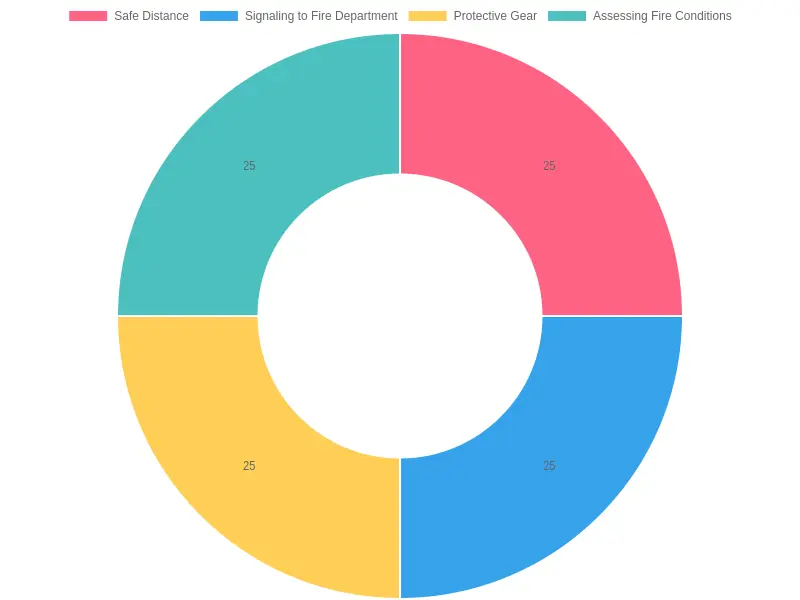
Critical Safety Points for Approaching a Fire
- Safe Distance: Maintain at least a 100-foot distance from the fire (varies based on conditions).
- Signaling to Fire Department: Use visual markers or signals to notify and guide firefighters.
- Protective Gear: Always wear protective gear-including helmets, masks, gloves, and fire-resistant clothing.
- Assessing Fire Conditions: Continuously evaluate the fire’s behavior, wind direction, and smoke to ensure safe conditions for any potential rescue.
The Importance of Calling Professional Help Before Attempting a Rescue
When faced with a fire emergency, the instinct to help others can be powerful. However, it is crucial to recognize the importance of calling professional emergency services before attempting any rescue. This initial action not only ensures that trained personnel are on their way, but it also allows them to assess the situation and provide critical instructions to bystanders while they wait for assistance.
Why Professional Help is Essential
- Trained Expertise: Firefighters and rescue personnel undergo extensive training to handle emergencies safely and efficiently. They possess the skills to navigate hazardous environments, using specialized equipment to protect themselves and those needing assistance.
- Risk Mitigation: Attempting a rescue without professional guidance can lead to additional injuries. Statistics indicate that many accidents occur when good Samaritans rush into danger. For instance, an alarming trend shows that 28 individuals have drowned since 2000 while attempting rescues without calling for help first. This underscores the risks involved in uncoordinated rescue attempts (Life Saving Victoria).
- Effective Communication: When you call emergency services, you ensure that trained responders know the situation’s specifics. Provide them with information such as the exact location of the incident, the nature of the fire, and any individuals trapped or injured. Keeping the dispatcher informed while adhering to their instructions is vital for the safe resolution of the situation (UYN).
Information to Provide Emergency Services
When calling emergency services, convey crucial details to facilitate a quick and effective response:
- Location: Specify the exact address or landmark near the scene of the fire.
- Type of Emergency: Indicate the nature of the incident (fire, explosion, etc.).
- Number of People: Let them know how many individuals are trapped or at risk.
- Your Location: If you are calling from a different place, provide your location so they can easily reach you for further instructions.
- Observations: Share any relevant observations, such as visible flames, smoke, or injuries.
In conclusion, while the urge to help is commendable, remember to prioritize safety by contacting professional emergency services first. Trained professionals are specifically equipped to handle such situations, ensuring the safety of both victims and rescuers alike. For a comprehensive understanding of emergency preparedness, you may want to explore articles on California wildfire emergency management failures or the essential role of planning in emergency response.
The Importance of Fire Safety Training in Schools
Fire safety training is essential for both students and staff in educational settings. It plays a significant role in empowering individuals to act effectively in emergencies, potentially saving lives and minimizing injuries. Considering the unpredictability of fires, educators and school administrators must prioritize integrating fire safety training into the school curriculum.
Empowering Students and Staff
Incorporating fire safety training helps foster a culture of preparedness within the school community. By teaching students essential skills such as the “Stop, Drop, and Roll” technique and understanding the evacuation procedures, schools provide a necessary foundation for responding appropriately in emergencies. Furthermore, training workshops for staff members equip them with skills to manage fire situations, reinforcing the principle that safety is a shared responsibility among all members of the school community. For more insights, you can check resources like Make fire safety part of school curriculum.
Curriculum Elements for Fire Safety Training
To effectively implement fire safety training, educators can consider including the following elements in their curriculum:
- Fire Safety Education Programs: Introduce interactive programs that produce engaging content for students (e.g., fire extinguisher training and fire drills), ensuring they learn the fundamental principles of fire safety.
- Hands-On Training: Utilize programs like Wild Gully Therapy & Nature Play to offer practical experience linked to real-world scenarios.
- Regular Fire Drills: Conduct routine fire drills to build familiarity with emergency protocols and boost confidence in executing them. This practice can reinforce knowledge gained in training, keeping preparedness fresh in the minds of both students and staff.
- Fire Safety Workshops: Partner with local fire departments to conduct workshops for both students and educators. Training sessions that focus on using fire extinguishers and understanding fire risks are invaluable.
Educators should also collaborate with local fire service professionals to customize modules that suit their specific contexts. These partnerships can enhance the relevance of the training provided and ensure that the curriculum remains dynamic and responsive to any changes in safety standards or practices.
Conclusion
Ultimately, fire safety training is not merely about compliance but about instilling a proactive attitude toward safety. It nurtures responsibility, confidence, and vital life-saving skills in young individuals, shaping a safer school environment for everyone. By making fire safety part of the school curriculum, educators can empower students and staff to prevent, respond to, and recover from fire-related emergencies effectively.
Comparison of Fire Rescue Strategies for First Responders
In assessing different fire rescue strategies, it’s crucial to understand their pros, cons, and effectiveness. Here’s a detailed comparison to help clarify the various approaches used by first responders:
| Strategy | Pros | Cons | Effectiveness |
|---|---|---|---|
| Unified Command | – Streamlines communication |
- Enhances coordination across agencies
- Allows shared resources | – Can be slow to implement
- Requires extensive training | High effectiveness in multi-agency responses |
| Incident Command System (ICS)| – Clear structure and roles - Adaptable to varying incident sizes | – Potential for confusion with large teams
- Dependence on pre-planned protocols | Effective for managing larger incidents |
| Firefighting Teams | – Specialized training improves skills - Enhanced safety with team support | – Resource-intensive for training
- Potential for communication breakdowns | Highly effective with experienced teams |
| Community Engagement | – Improves public awareness and safety training - Builds trust with residents | – Time-consuming, requires ongoing effort | Effectiveness relies on active community participation |
| Technology Integration | – Advanced tools improve efficiency and safety - Data-driven strategy adjustments | – Reliance on technology can lead to outages | High potential, but varies based on adaptation |
Observations
- Unified Command and ICS are crucial for large incidents, ensuring that multiple agencies work cohesively.
- Firefighting Teams centered around collaboration and training tend to show notable effectiveness, particularly in residential areas or during complex rescues.
- Engaging the community in fire safety (through practices and education) has proven vital, as it fosters a culture of preparedness.
- Finally, leveraging technology can significantly enhance rescue operations but requires adaptive strategies to integrate these advancements effectively.
For further information about the roles of first responders and emergency planning considerations, you can learn more here and discover the impact of teamwork in fire services.
The Importance of Safety Education
In today’s world, fire safety and preparedness are crucial factors that can mean the difference between life and death. While the instinct to rescue someone in danger is commendable, it is equally important to prioritize safety for yourself and others. Understanding how to respond appropriately in emergencies is a vital skill everyone should possess.
Education plays a paramount role in this preparedness. Participating in local fire safety education programs equips you with essential knowledge and skills to handle fire emergencies effectively. These programs cover a variety of topics, including:
- Fire prevention strategies
- Proper use of fire extinguishers
- Understanding fire escape plans
- Techniques for assisting others safely during emergencies
By engaging in these educational opportunities, you not only enhance your own safety but also help foster a culture of preparedness within your community. Sharing fire safety information with family, friends, and neighbors amplifies the impact, creating a more informed populace ready to respond in emergencies.
We encourage you to reach out to your local fire department to inquire about ongoing fire safety education programs in your area. These professionals can provide invaluable resources and information tailored to your community’s specific needs. Remember, a well-informed community is a safer community, and together, we can help save lives. To learn more about fire safety measures, visit TPBH Rescue Organization.