
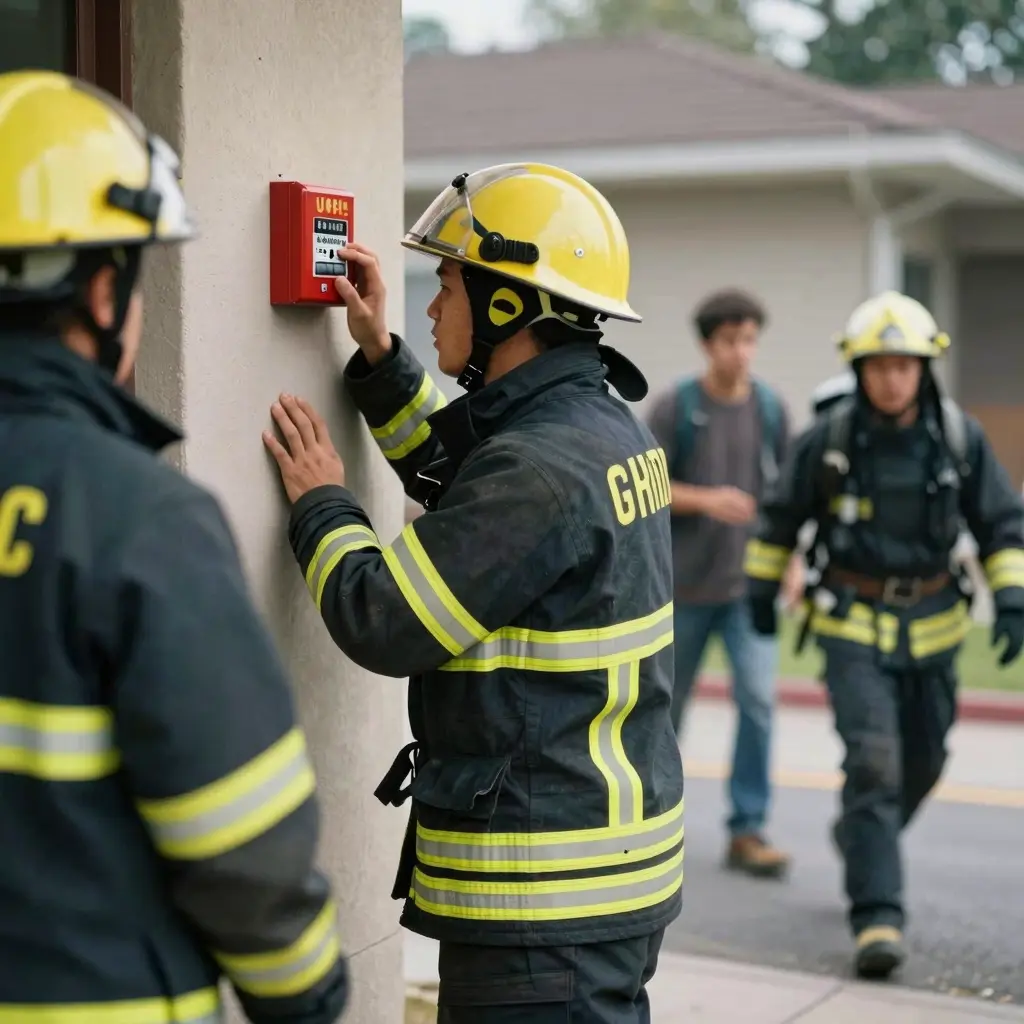
In the face of a fire emergency, the instinct to save lives often clashes with the protocols of safety. Fire alarms serve as the first line of defense, alerting occupants to potential danger and prompting an organized escape. However, many individuals find themselves hesitating at the crucial moment of activating the alarm, particularly when faced with the imperative to rescue others. This hesitation can stem from misconceptions surrounding the consequences of alarm activation, including fears of false alarms or the perceived disruption it may cause. Understanding these concerns is vital, as activating a fire alarm is not merely a procedural formality; it can be a lifesaving action that ensures the prompt arrival of emergency services. In this article, we aim to clarify the role of fire alarms in emergency situations, dispelling myths that may hinder decisive actions. By providing clear insights, we hope to empower community members, firefighters, and educators alike to make informed choices during emergencies. The importance of activating fire alarms before initiating rescues cannot be overstated; it is a critical step that can significantly enhance the safety of all involved.
Common Scenarios for Fire Emergencies
Understanding when to activate a fire alarm is critical for ensuring safety during various fire scenarios. Below, we explore several common situations in which a fire may occur and emphasize the importance of activating the alarm before attempting any rescue efforts.
1. Residential Fires
In homes, kitchen fires are among the most common causes of fire incidents. These can arise from unattended cooking, faulty wiring, or overheating appliances. Activating the fire alarm early in these situations alerts family members to evacuate while the fire is still manageable, ensuring a safe escape route.
2. Office Building Fires
Office environments can face fire risks due to electrical equipment or flammable office supplies. Often, such fires can escalate quickly due to the presence of paper and plastic. It is crucial to activate the fire alarm before attempting to assist any colleagues, as the alarm will alert emergency services to mitigate the situation.
3. Wildfires
In regions prone to wildfires, the situation can rapidly become life-threatening. If you observe smoke or fire on the horizon, immediate activation of the fire alarm or alerting local authorities is essential to ensure an organized evacuation of residents, especially vulnerable populations like seniors and children.
4. Industrial Fires
Factories and industrial sites often involve hazardous materials, making fires more dangerous. Should a fire break out, activating the alarm not only serves to evacuate workers but also to alert firefighters trained to handle hazardous situations. This is vital for reducing risks during a rescue operation.
5. Fire in Educational Institutions
Schools must be prepared for fire emergencies, which can occur due to electrical malfunctions or laboratory incidents. Evacuating students promptly is vital, and activating the fire alarm serves to gather all individuals in a safe area while ensuring that emergency services are informed of the situation.
Conclusion
In summary, whether at home, work, school, or in the wild, timely activation of fire alarms can save lives by notifying all individuals and ensuring a swift evacuation. To learn more about the strategies for fire safety and prevention, consider exploring the resources available at TPBH Rescue and more about customized firefighting vehicles.
By understanding these scenarios and the critical role of fire alarms, communities can better prepare for emergencies effectively.
When to Activate Fire Alarms
In situations where smoke, flames, or the smell of burning material is detected, it is critical to activate the fire alarm system before attempting any rescue operations. Following established safety protocols ensures the safety of both potential victims and rescuers. Here are key scenarios and reasons why activating fire alarms is essential:
Immediate Danger Situations
- Visible Flames or Smoke: If you see flames or smoke, immediately activate the fire alarm to alert all occupants and emergency responders.
- Uncontrolled Fire Environments: In settings like laboratories, factories, or educational institutions, the presence of highly flammable materials requires immediate alarm activation.
Safety Protocols
The R.A.C.E. protocol is instrumental in actively managing fire emergencies:
- Rescue: If safe, attempt to aid anyone in immediate danger.
- Alert: Activate the fire alarm and call for professional assistance.
- Contain: If possible, confine the fires to minimize spread.
- Extinguish: Only attempt to extinguish small fires if trained and safe to do so.
Each of these steps is interconnected, making the activation of the fire alarm a non-negotiable first action. As emphasized in articles like Activate the Alarm: The Critical First Step in Fire Rescues, notifying everyone in the vicinity of the danger is paramount.
Legal and Ethical Responsibilities
Many regions have legal requirements stipulating the need to activate fire alarms in emergencies. Failure to do so not only jeopardizes lives but can lead to legal repercussions for negligence in a fire situation. For example, educators and school administrators must ensure that all faculty and students are trained in the appropriate response protocols, including timely fire alarm activation.
Conclusion
In conclusion, the activation of fire alarms prior to undertaking rescues is not just a safety measure; it is both a protocol and a legal obligation. For community safety and resilience, understanding and implementing these procedures can save lives. Therefore, always prioritize alarm activation before any rescue attempts in fire emergencies.
Table of Fire Alarm Activation Protocols
| Setting | Activation Procedure | Evacuation Protocol | Emergency Response |
|---|---|---|---|
| Homes | Activate alarm manually or automatically | Evacuate immediately to a safe assembly point | Call 911 immediately for help |
| Schools | Pull station to activate; evacuate based on alarms | Immediate evacuation for all students and staff | Notify local fire department |
| Workplaces | Use fire alarm pull stations; follow training | Evacuate according to established safety plans | Designated safety personnel oversee response |
Notes:
- Homes: It is typical for individual occupants to pull a fire alarm or rely on smoke detectors to alert them, emphasizing a personal responsibility to evacuate quickly.
- Schools: New protocols, such as those recently passed in Tennessee, suggest assessing alarm circumstances before total evacuation, reflecting heightened safety measures.
- Workplaces: Must adhere to training and drills; procedures are designed to minimize disruption while ensuring safety.

The Consequences of Not Activating the Alarm
Failing to activate the fire alarm before attempting to rescue someone from a fire can lead to dire consequences. The alarm serves not only as a warning system but also coordinates critical emergency responses that can save lives.
The Danger in Inaction
In many cases, it is tempting to rush in and help someone directly without first alerting everyone in the vicinity. However, statistics show that nearly 60% of home fire deaths involve residences with missing or malfunctioning smoke alarms (Safety + Health Magazine). Often, families do not realize that their smoke alarms are inoperable until it is too late, and this tragedy can amplify during a fire scenario. For instance, even if a person is ready to rescue someone, if they have not sounded the alarm, they might inadvertently place themselves and those they are trying to save at greater risk.
Empowering Emergency Services
When the alarm is activated, it promptly notifies emergency services to respond immediately. This not only brings trained professionals equipped to handle the fire situation effectively but also allows occupants a crucial moment to evacuate safely. Delays from not activating the alarm can result in severe injuries. For example, a report by the National Fire Protection Association (NFPA) reveals that properties with operational smoke alarms are significantly more likely to experience survivable outcomes during a fire event (NFPA).
Tragic Cases
Historical incidents illustrate the grave risks posed by omitting this critical action. Fires engulfing buildings without prior alarm activation often lead to multiple casualties. One tragic example involved a family caught in a blaze who failed to alert the authorities, resulting in several deaths. In contrast, timely alarm deployment generally correlates with lower fatality rates.
In conclusion, activating the alarm is not merely a suggested practice but a vital first step in any fire emergency scenario. The importance of this action can never be overstated; it fosters safety, alertness, and a structured approach to safeguarding life and property during emergencies.
Fire Alarm Activation and Response Times
In emergency situations, timely action is paramount for effective firefighting and minimizing damage. The average response times of firefighters can vary significantly based on whether a fire alarm is activated or not.
Response Times Compared
| Activation Status | Average Response Time (minutes) |
|---|---|
| Alarm Activated | 5 |
| Alarm Not Activated | 9 |
The chart below illustrates the stark difference in response times:

Significance of Activation
Activating a fire alarm not only alerts residents but also expedites the response from fire services, reducing the risks of extended damage and enhancing the safety of individuals in danger.
For further information on how anticipatory measures can impact fire response effectiveness, check out our resources on California wildfire emergency response failures and fire truck solutions for developing countries.
Reassurance for Community Members and Emergency Personnel
In any fire emergency, activating the fire alarm is a critical first step that cannot be overstated. It is paramount for notifying everyone in the vicinity of danger, ensuring a swift and organized evacuation. The process of activating fire alarms serves multiple purposes that directly contribute to the safety of both community members and emergency responders.
Importance of Activation
Fire alarms provide immediate alerts, which are essential in saving lives. According to the insights gathered from various sources, timely activation can significantly enhance the response to a fire incident. For instance, activating the alarm allows occupants to exit safely and enables emergency personnel to prepare for action – facilitating coordination and efficiency during rescues. As outlined in various articles, activating alarms ensures that everyone is aware and helps minimize panic that can occur in crisis situations. The orderly nature of evacuations can prevent injuries and fatalities.
Effectiveness in Emergency Situations
The effectiveness of fire alarms during emergencies is also intricately linked to their ability to detect smoke and fire early on. This early detection is critical, as it allows individuals to act quickly, thereby increasing the chances of a successful evacuation and the possibility of extinguishing the fire before it escalates. Statistical analyses reveal that buildings equipped with efficient fire alarm systems report much lower incident rates of fire-related injuries and fatalities compared to those without such systems. The data necessitates a close look at fire safety protocols and the endorsement of fire alarms in every building as a primary line of defense against fire hazards. In summary, activating fire alarms is not merely a protocol; it is a lifesaving action that significantly mitigates risks during emergencies.
For further information on how fire alarms facilitate better emergency responses and safety measures, consider visiting this comprehensive overview on fire alarms’ roles during rescues and another resource that discusses their importance in early fire detection.
In conclusion, community members should be reassured that activating fire alarms is a crucial step towards safety, one that empowers both residents and emergency personnel to act effectively in the face of danger.
In any fire emergency, the immediate activation of fire alarms is not merely advisable; it is critical. As stated in a recent article from Fire Rescue, “The protocol dictates that the utmost priority should be the activation of the fire alarm system before any rescue attempts are made. Quick decisions can save lives, particularly when a fire occurs.” This assertion is widely supported across various fire safety protocols and expert opinions.
Why is Activation Important?
- Alert Others: Activating the fire alarm ensures that everyone within the vicinity is informed about the potential danger, which can lead to quick evacuations and appropriate responses.
- Guides Emergency Services: A triggered alarm helps fire services locate the emergency site effectively, enabling them to respond rapidly.
- RACE Protocol: The RACE (Rescue, Alarm, Contain, Extinguish) protocol stresses the importance of activating the alarm as the first step during a fire incident to ensure safety.
The Importance of Preparation
In addition to understanding the necessity of activating alarms, preparedness is vital. Educators and school administrators should educate students and staff about the importance of this procedure within fire drills and emergency preparation sessions.
Firefighters and emergency personnel are consistently advocating for community awareness regarding fire safety. Firefighters highlight the essential role of fire alarms in ensuring safety during fire incidents, underlining their necessity for early warning and response (learn more about emergency preparedness). An activated fire alarm can make a crucial difference, potentially reducing loss of life and property damage.
Conclusion
In conclusion, the act of activating fire alarms before engaging in any rescue operation is paramount for ensuring safety in fire emergencies. The overwhelming evidence highlights that activating fire alarms not only serves to alert residents of an imminent danger but also automatically notifies emergency services, paving the way for a timely and coordinated response. For instance, studies indicate that smoke alarms significantly reduce the risk of fatalities by 55% when they are properly installed and maintained.
Furthermore, implementing best practices in fire safety, such as activating alarms promptly, aligns with a systematic approach encapsulated in the RACE protocol: Rescue, Alarm, Contain, and Extinguish. This methodology reinforces the importance of prioritizing safety and establishing order during chaotic situations. It’s worth noting that homes lacking working smoke alarms face much higher risks, with statistics showing that such homes lead to a 26% increase in the likelihood of fire-related fatalities.
To aid the public, firefighters, and educators, it is crucial to emphasize regular maintenance of fire alarm systems and adherence to proper evacuation protocols. Only through a community-wide commitment to fire safety-where every individual understands the importance of activating alarms-can we decrease the tragic outcomes of fires.
Therefore, let us all advocate for making fire safety education a priority. Encourage your community to participate in training sessions and drills, ensuring everyone knows the protocols should a fire occur. This is not merely a practice; it’s a step towards safeguarding lives and property against the devastating effects of fire. To learn more about effective fire safety strategies and community preparedness efforts, visit our dedicated resources section.